Your Tangem wallet holds crypto that matters to you. Your family probably doesn’t know where your backup cards are, or whether you even have a seed phrase. If something happened to you tomorrow, your Bitcoin would still legally be yours, but in practice it would be locked behind information nobody else has.
Crypto estate plan NZ
Most writing on this topic walks you through NZ succession law and estate structures. That is useful background, but it doesn’t help much when you sit down to actually sort the problem out. This guide treats crypto estate planning in New Zealand, and how to pass down Bitcoin legally, as a practical checklist: what to do today, this week, this month and once a year so your family can reach your crypto if you’re not around.
This is general information, not legal advice. Your actual will needs to be drafted by an NZ estate lawyer who understands crypto. This article covers the practical work you do before and after that conversation.
The short version
If you only do three things after reading this, make it these:
- Write down your crypto holdings somewhere your family can find them (not just in your head).
- Decide how your backup cards or seed phrase will be held, and set that up before you need it.
- Have an NZ estate lawyer update your will so it refers to your crypto specifically.
Miss any one of these and there is a real chance your crypto becomes permanently inaccessible after your death.
The checklist, in order of urgency
For NZ Tangem owners the work breaks into four stages. Do them in order.
| When | What | Time needed |
|---|---|---|
| Today | List your holdings, choose a custody method | 30 minutes |
| This week | Set up custody, write instructions | 2 hours |
| This month | See an NZ estate lawyer, update your will | 1 to 2 lawyer meetings |
| Every year | Review the list, check custody, update instructions | 30 minutes |
All four together give you a working plan. Leave one out and you have gaps.
Today: list your holdings and choose a custody method
Set aside half an hour for two jobs: writing down what crypto you actually own, and deciding how your backup cards or seed phrase will be kept. Everything else in this guide builds on those two decisions.
Write down every crypto holding you have
Use paper and pen rather than a computer file. Note down:
- Every wallet you use: Tangem cards, other hardware wallets, software wallets, exchange accounts.
- What each one holds: Bitcoin, Ethereum, stablecoins, other tokens, NFTs.
- A rough value in NZD as of today (not what you paid).
- How each is secured: Tangem access code, where any seed phrase is kept, which 2FA method an exchange uses.
Most people can’t finish this list from memory. That alone shows how hard it would be for your family to piece it together.
Choose your custody method
There are four common options, and each has trade-offs.
- Tell your spouse everything now. The simplest option, though it changes the dynamic of who can move the funds while you’re alive.
- Sealed instructions in a home safe. Access codes, card locations and steps written down and sealed in an envelope. A middle ground.
- Bank safe deposit box, referenced in your will. The most secure of the four, and the slowest to reach after a death (often weeks of probate).
- A professional estate service. A third party holds the information and releases it under agreed conditions. Costs the most, but is the most reliable.
Pick one and commit to it. A decision you keep putting off tends to become no decision at all.
This week: set up custody and write the instructions
With the list done and a method chosen, the next step is making it real. By the end of the week your backup card or seed phrase should be where you said it would be, and the instructions should be on paper.
Set up your chosen custody method
What this looks like depends on the option you picked:
- Full disclosure: sit down with your spouse or executor and walk them through your Tangem cards, access code and how to add a card to the app on their own phone. Have them do it once with a small amount so they have actually done it.
- Sealed instructions: write out the access code, where the cards are and step-by-step access instructions. Seal the envelope and keep it in a home safe or fireproof box. Tell your spouse or executor where it is and when to open it.
- Bank safe deposit box: rent a box and put in the sealed instructions and a spare Tangem card. Check that your executor will have legal authority to open it after your death (usually by being named on the box or in your will).
- Professional service: find a crypto estate service that works with NZ clients, complete their onboarding and test how retrieval works.
Write technical instructions your executor can actually follow
This is where most crypto estate plans fall down. Your executor may have every legal right to distribute your crypto and no idea how to move it. Write instructions a person with no crypto experience could follow exactly. Cover:
- where each card or wallet physically is
- which access code or password unlocks each one
- step by step, how to add a Tangem card to the app on a phone
- contact details for a technical family member or specialist who can help if the executor gets stuck
- how to send a small test transaction (around $5 worth) to check everything works before moving larger amounts
Add screenshots if you can. Then hand the instructions to someone non-technical. If they can get through them without you in the room, they’ll do the job.
This month: see an NZ estate lawyer
Book a consultation with an NZ estate lawyer who has crypto experience, not just any general estate lawyer. Your will should name your crypto holdings explicitly, say clearly who gets them and give your executor direction on how to access them. A standard will usually doesn’t handle this well.
What to bring to the meeting
- The holdings list you wrote today, so the lawyer understands the scope.
- Your custody decision, which shows how the assets will be reached.
- Your intentions for beneficiaries: who gets what, and in what shares.
- Your existing will, if you have one, for amendment or a full rewrite.
- Your questions about NZ succession law, such as testamentary trusts, Family Protection Act implications and minor beneficiaries.
Budget for two meetings and NZ$800 to NZ$2,500, depending on how complex things are.
What the lawyer should produce
- An updated will that names your crypto holdings, not just “digital assets”.
- Written guidance for your executor on their crypto-specific responsibilities.
- A testamentary trust structure, if beneficiaries include minors or the situation is complicated.
- Safe storage of the will where your family can find it after your death (usually with the law firm).
If your lawyer struggles with basic crypto terms, find another one. Crypto-specific competence matters here.
Finding an NZ estate lawyer with crypto experience
There is a small but growing number of NZ estate lawyers who properly understand crypto. The Tangem NZ community can point you towards people familiar with self-custody hardware wallets. You can also search for “crypto estate lawyer NZ” and favour firms that have written publicly about crypto succession, since they are more likely to be across the practical issues.
Every year: a 30-minute review
A plan set up once and then forgotten will eventually fail. Book a 30-minute review on the same date each year and go through every part of it. Your life changes and so do your holdings, so the plan has to keep up.
Annual review checklist
- Update the holdings list: new wallets, anything sold, current values.
- Check custody is intact: the envelope is in good condition, the bank box is still active, the professional service is still operating.
- Follow your own instructions from scratch and note any gaps.
- Update beneficiaries if your circumstances have changed (marriage, divorce, new children).
- Confirm your lawyer is still practising. Small firms close, so check your will can still be found.
- Refresh the values in your list so your executor has a rough idea of what’s there.
Set a recurring calendar reminder. Missing one year won’t sink the plan, but three or four years without a review leaves real gaps.
Three common ways NZ crypto estates fail
Even well-meant plans tend to fail in the same few ways.
Complete secrecy
You never told anyone about the crypto. Your family finds bank transfers to an exchange in your records, but has no idea which wallet the coins ended up in. Recovery is close to impossible.
The fix is your holdings list. If it sits somewhere your family can find it, they at least know what to look for and who to ask, even before they can access anything.
Strong security with no way back in
You’ve split your backup with 3-of-5 Shamir Secret Sharing across trusted people and bank vaults on different continents, with extra layers of encryption on top. It is very hard to attack. It is also unrecoverable after your death, because nobody was ever told the exact retrieval steps.
Document and test your custody method. Security should serve recoverability, not the other way round.
Legal authority without technical know-how
Your will names your executor properly, and they have full legal authority to distribute your crypto. They also have no idea how to add a Tangem card to a phone app. Legally sorted, practically stuck.
This is what the technical instructions from this week’s step are for. Make them detailed enough that someone with no crypto background can follow them without you.
How Tangem helps with inheritance planning
Card-based wallets make inheritance simpler than a wallet that depends entirely on a seed phrase. With Tangem, the card is the wallet and the seed phrase is optional, so there doesn’t have to be a list of words to memorise, copy out or lose. Passing it on becomes a matter of handing over a physical card plus its access code, which is much easier for non-technical family members.
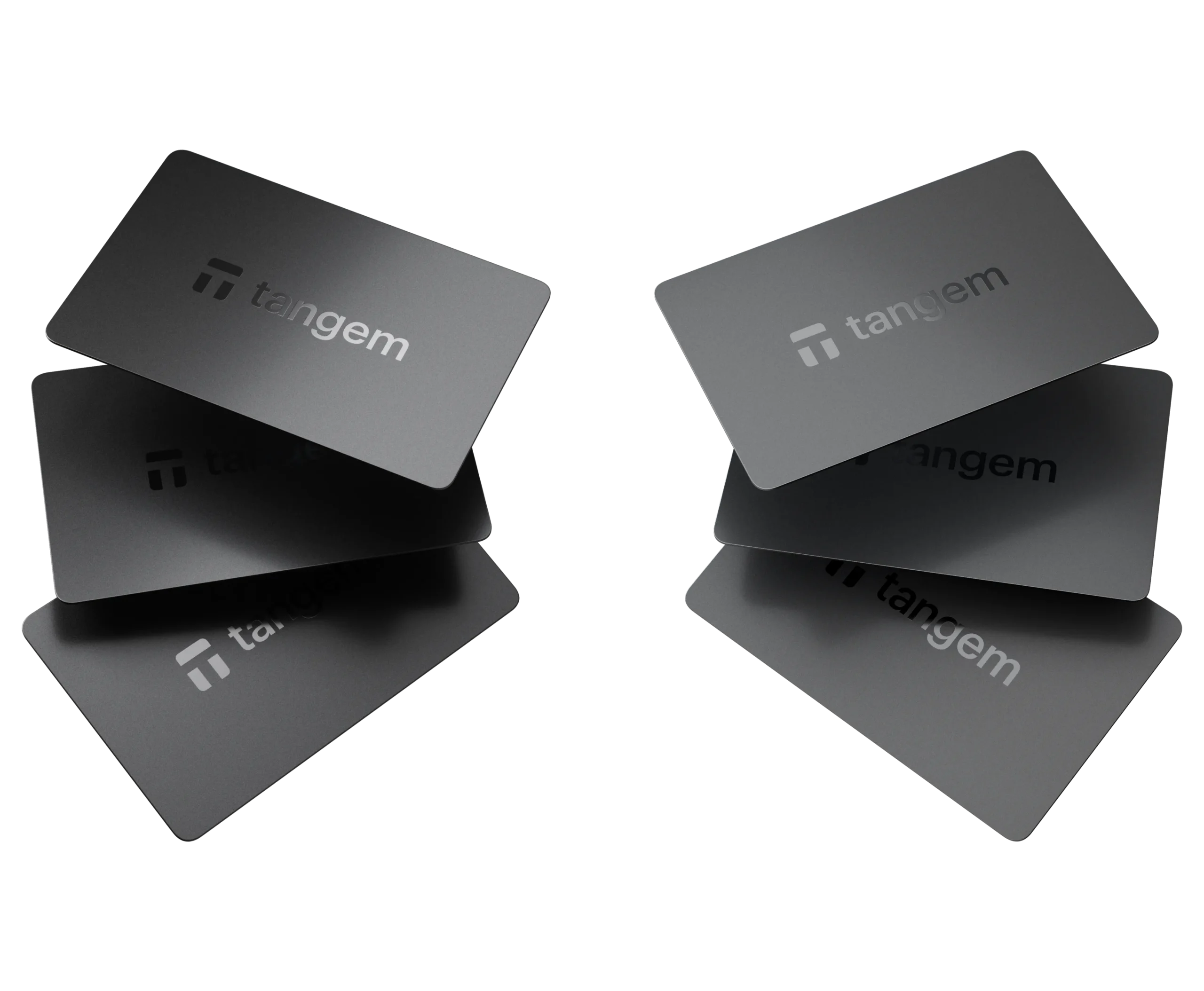
A 3-card Tangem set suits this well, because every card in the set holds the same key. One way to use it:
- Card 1: the one you use day to day
- Card 2: a spare, stored securely at home or in a bank deposit box
- Card 3: set aside for inheritance, sealed and stored with clear instructions for your beneficiary
After your death, your beneficiary gets Card 3 and the access code from your sealed instructions, and has full access. There are no seed words to mistype and no worrying about a missing word.
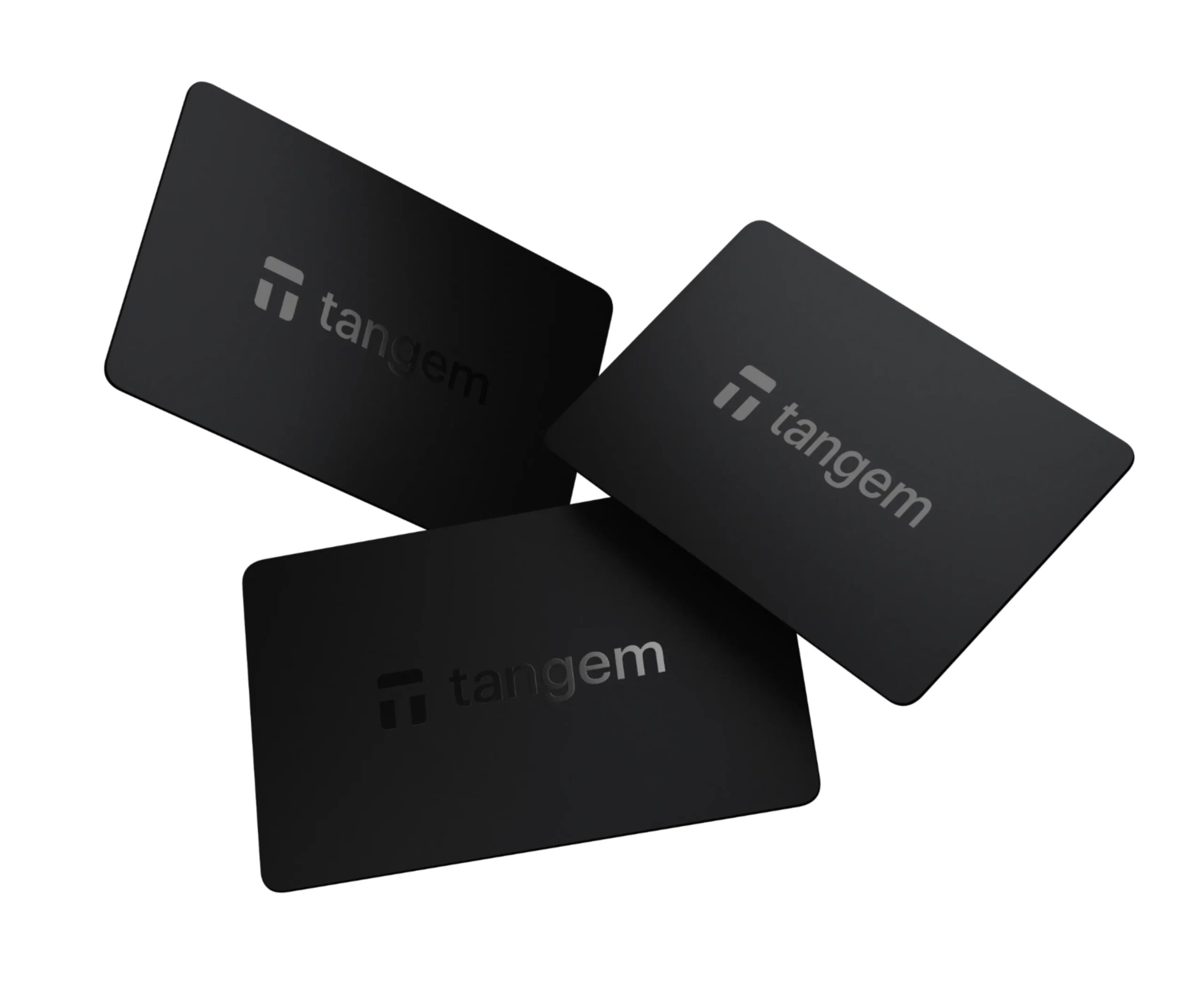
If you’re planning inheritance seriously, a 3-card Tangem set is a sensible hardware choice, because the backup cards do most of the work for you. Colourway sets such as Tangem Wallet Classic Black are available from Tangem NZ, an authorised New Zealand seller shipping from Auckland.
FAQs
How much does a proper crypto estate plan cost in NZ?
Legal fees are typically NZ$800 to NZ$2,500 for a will update or a new will that covers crypto. On top of that you may pay for a professional custody service (prices vary) or a bank safe deposit box (roughly NZ$150 to NZ$300 a year). Keeping things yourself in a home safe or sealed envelope costs little beyond the safe.
Can I just tell my spouse my seed phrase and be done with it?
For a simple situation with a lot of trust in the family, yes. Full disclosure is the easiest answer. In more complicated situations (blended families, adult children, business partners, high net worth), sealed instructions that are only opened after your death are safer. Match the method to your circumstances.
What if I don’t have anyone I trust with my crypto information?
Professional crypto estate services exist for exactly this. They cost more, but they act as the trusted third party your situation lacks. A cheaper alternative is leaving a sealed envelope with your lawyer.
Do I need a special crypto will, or can I add crypto to my regular will?
A regular will, properly amended to name your crypto assets, works fine. You don’t need a separate “crypto will”. What you do need is a lawyer who understands crypto well enough to describe it correctly: actual named holdings and access instructions, not just “my digital assets”.
What happens to my crypto if I die tomorrow without doing any of this?
Legally, your crypto passes under NZ intestacy rules to your spouse and children in set proportions. In practice it is out of reach, because nobody has your seed phrase, access codes or custody details. The ownership exists on paper while the money itself is effectively gone, which is why the practical steps matter so much.
Should I include my crypto valuations in my will?
No. Refer to holdings by wallet type and asset (“Bitcoin held in a Tangem hardware wallet”), not by value. Values move constantly, and dated figures in a will only cause confusion. Keep valuations in your separate holdings list and update it each year.
Can I put crypto into a family trust for my children?
Yes, through a testamentary trust set up by your will. You’ll need specialist NZ legal advice. It works well for larger holdings meant to be paid out gradually, or where beneficiaries are minors. Most ordinary family inheritances don’t need one.