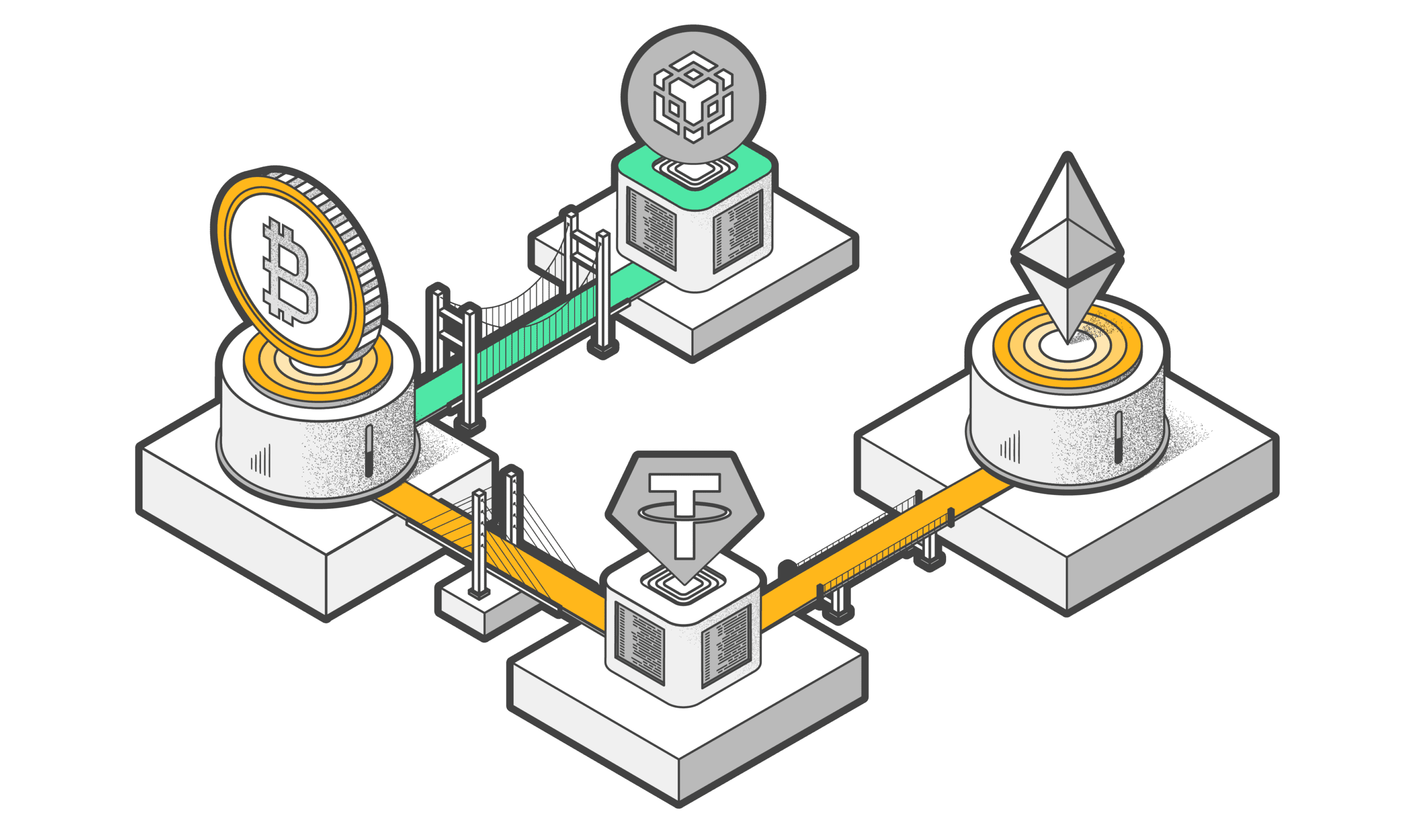
Cross-Chain Bridge Crypto. Blockchain technology has transformed how value moves online, but it has also created a fragmented ecosystem. Bitcoin, Ethereum, Solana, BNB Chain, and many others operate independently, each with its own rules, assets, and users. This fragmentation is exactly why cross-chain bridge crypto solutions exist.
In simple terms, cross-chain bridges allow assets and data to move between different blockchains. For crypto users in New Zealand—whether you’re investing, trading, using DeFi, or securing digital assets—understanding how these bridges work is becoming essential. This guide explains what is a cross-chain bridge, how it works, why it matters, and when you should (or shouldn’t) use one.
What Is a Cross-Chain Bridge?
A cross-chain bridge crypto tool is a protocol that enables the transfer of assets or data between two or more blockchains that cannot natively communicate with each other.
For example:
- Ethereum cannot directly send tokens to Solana
- Bitcoin cannot natively interact with DeFi apps on other chains
A cross-chain bridge solves this problem by acting as an intermediary, allowing users to move value across blockchain ecosystems.
Cross-Chain Bridge Explained Simply
Think of each blockchain as its own country with a different currency and banking system. A cross-chain bridge works like an international exchange and settlement network, ensuring value moves securely from one system to another.
Why Cross-Chain Bridges Matter in Crypto
Without cross-chain bridges, blockchain ecosystems would remain isolated. This limits liquidity, innovation, and user choice.
Key Problems Bridges Solve
- Blockchain silos and lack of interoperability
- Limited access to DeFi across chains
- Liquidity locked on a single network
- Inefficient user experience
By enabling cross-chain interoperability crypto, bridges unlock a more connected and efficient blockchain economy.
How Cross-Chain Bridges Work
Understanding how cross-chain bridges work helps you assess both their value and their risks.
The Most Common Mechanism: Lock and Mint
- A user sends tokens to a smart contract on Blockchain A
- Those tokens are locked or escrowed
- An equivalent “wrapped” token is minted on Blockchain B
- The user can now use that asset on the new chain
When the user wants to move back:
- The wrapped tokens are burned
- The original tokens are unlocked
This process enables cross-chain transfer crypto without breaking blockchain rules.
Types of Blockchain Cross-Chain Bridges
Not all bridges are built the same. Each type has different trust and security assumptions.
1. Trusted (Centralized) Bridges
- Operated by a single entity or consortium
- Faster and cheaper
- Require trust in the operator
2. Trustless (Decentralized) Bridges
- Governed by smart contracts and validators
- Higher transparency
- Technically complex
3. Federated Bridges
- Controlled by a group of known validators
- Balance between decentralization and efficiency
Choosing the right blockchain cross-chain bridge depends on your risk tolerance and use case.
Real-World Use Cases of Cross-Chain Bridge Crypto
Cross-chain bridges are not just technical tools—they power real crypto activity every day.
DeFi Access Across Chains
Users can move assets to chains with:
- Lower fees
- Faster transactions
- Better yield opportunities
NFT Transfers
Some bridges enable NFTs to move between blockchains, expanding marketplaces and exposure.
Portfolio Diversification
Investors can rebalance holdings across multiple networks without selling assets.
Layer-2 Scaling
Bridges connect Ethereum mainnet to Layer-2 solutions for cheaper transactions.
Benefits of Using Cross-Chain Bridges
Why Crypto Users in New Zealand Use Them
- More flexibility: Access multiple ecosystems
- Better liquidity: Move funds where opportunities exist
- Lower costs: Shift to chains with cheaper fees
- Innovation access: Use new protocols early
For long-term crypto users, cross-chain interoperability crypto is no longer optional—it’s part of modern blockchain usage.
Risks and Limitations of Cross-Chain Bridges
While powerful, cross-chain bridges are not risk-free.
Common Risks
- Smart contract vulnerabilities
- Bridge exploits and hacks
- Centralization risks
- Temporary liquidity issues
Because bridges often hold large amounts of locked assets, they are attractive targets. This is why secure asset storage solutions matter when interacting with bridges.
For example, pairing bridge usage with secure cold storage options from platforms like https://tangem.nz can reduce overall risk exposure by keeping private keys offline.
Cross-Chain Bridge vs Atomic Swaps
These two concepts are often confused.
Key Differences
| Feature | Cross-Chain Bridge | Atomic Swap |
|---|---|---|
| Asset transfer | Wrapped or represented | Direct exchange |
| Smart contracts | Yes | Yes |
| Flexibility | High | Limited |
| DeFi compatibility | Yes | No |
Atomic swaps are useful for direct exchanges, but bridges support broader cross-chain transfer crypto use cases.
Who Should Use a Cross-Chain Bridge?
Ideal Users
- DeFi participants
- Active traders
- NFT collectors
- Blockchain developers
Not Ideal For
- Beginners unfamiliar with wallet security
- Users transferring very small amounts (fees may outweigh benefits)
Understanding what is a cross-chain bridge helps users decide when it adds real value.
Security Best Practices When Using Cross-Chain Bridges
If you plan to use a cross-chain bridge crypto solution, follow these best practices:
- Use well-established bridges with audits
- Avoid transferring all funds at once
- Double-check contract addresses
- Secure assets with reliable wallets
- Monitor transaction confirmations
Bridges are tools—not guarantees—so user responsibility is essential.
Cross-Chain Bridges and the Future of Crypto
The long-term future of blockchain depends on interoperability. As ecosystems grow, bridges are evolving into more secure, decentralized infrastructure layers.
Emerging trends include:
- Native cross-chain messaging
- Reduced reliance on wrapped assets
- Improved validator decentralization
These innovations will strengthen cross-chain interoperability crypto and reduce current risks.
Related Technology and Infrastructure
Cross-chain systems rely heavily on secure networks and monitoring. Supporting technologies such as infrastructure monitoring and smart security systems—like those available via https://annke.co.nz/—highlight how reliability and trust are crucial across both digital and physical systems.
FAQs: Cross-Chain Bridge Crypto
1. What is a cross-chain bridge in crypto?
A cross-chain bridge allows assets or data to move between different blockchains that cannot communicate directly.
2. Are cross-chain bridges safe to use?
They can be safe if well-audited, but they carry higher risk than native transactions due to complexity.
3. Why are cross-chain bridges important?
They enable liquidity movement, DeFi access, and broader blockchain interoperability.
4. Do cross-chain bridges require wrapped tokens?
Most do, but newer models aim to reduce reliance on wrapped assets.
5. Can I lose funds using a cross-chain bridge?
Yes, if a bridge is exploited or misused. Security best practices are essential.
6. Are cross-chain bridges legal in New Zealand?
Crypto bridges are generally legal, but users should stay informed about local regulations.
Conclusion: Why Cross-Chain Bridge Crypto Matters
As blockchain adoption grows, no single network can do everything. Cross-chain bridge crypto solutions play a critical role in connecting ecosystems, improving liquidity, and expanding user choice. For crypto users in New Zealand, understanding how cross-chain bridges work is key to navigating DeFi, NFTs, and multi-chain investing safely.
Used responsibly, cross-chain bridges unlock the true potential of a connected blockchain future.